0800 233 725 (toll-free)
 enquiries@online.tut.ac.za
%201.png?width=371&height=115&name=logo%20(1)%201.png)
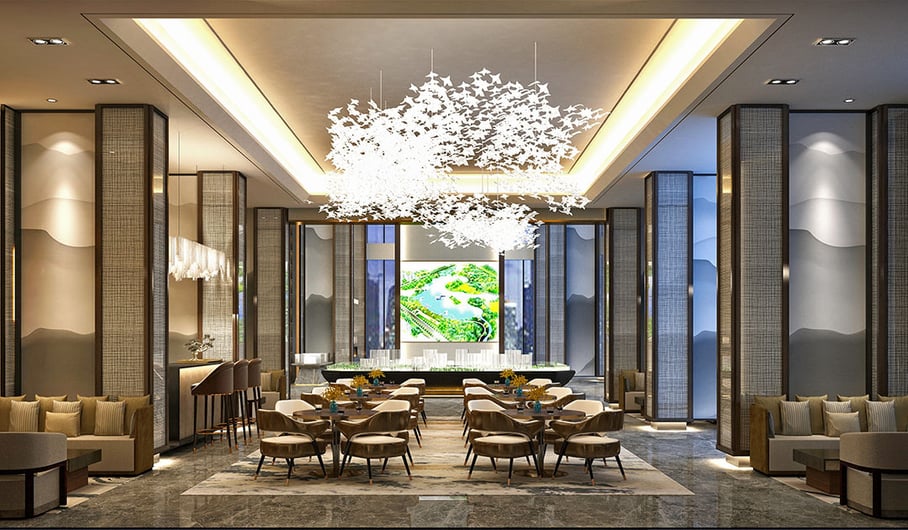
There is much more to running a hospitality business than what immediately meets the eye. Behind all the brick and mortar of the physical infrastructure lies a complex digital network to keep things running. As the hospitality sector continues to digitise, businesses are increasingly relying on various Property Management Systems (PMS) to handle much of their day-to-day operations.
FAQs
- 1. What is the difference between a traditional on-premise PMS and a cloud-based PMS?
- 2. How does a PMS help with revenue management?
- 3. Do I need a technical degree to manage a Hotel PMS?
- 4. Can a PMS integrate with other software like accounting or email marketing tools?
- 5. How does a PMS improve the guest experience?
Read more
This article is part of a larger series on the tourism and hospitality industry. To read more about this topic, you can click on any of the following article links.
- The Art and Science of Tourism Hospitality Management Systems
- South African Tourism: Trends, Growth and Career Opportunities
- Tourism Grading Council of South Africa: Star Grading Explained
- SATSA and Tourism Standards | South Africa's Sustainable Tourism
- FEDHASA: South Africa's Hospitality Leadership and Association
- SANParks and Conservation Tourism: South Africa's Wildlife Tourism
- Hospitality Tech in South Africa | Digital Trends and Smart Hotels
- Hotel PMS: Features, Benefits and Best Practices
- Mews PMS: Features, Benefits and Hotel Management Software
- Cloudbeds Hotel PMS | Simplifying Operations with Cloud Technology
- Front Office & Hotel Operations | Guest Services and Best Practices
- Contactless Digital Check-In | Enhance Guest Experience
- Housekeeping and Room Management Systems for Hotel Operations
- Hotel Maintenance and Preventive Management Systems
- Building Management Systems and Smart Hotel Facility Management
- Hotel Energy Management and Smart Solutions
- Guest Journey Mapping: Improving the Hotel Experience
- Hotel CRM: Guide to Customer Relationship Management
- Medallia | Transforming Hospitality Through Customer Experience
- Qualtrics Hospitality | Experience Management for Hotels and Resorts
- Hotel Loyalty Programmes | Guest Retention and Hospitality Rewards
- AI Personalisation in Hospitality | Enhancing Guest Experience
- Service Recovery Models in Hospitality | Guest Satisfaction
- Ritz-Carlton Service Recovery: Excellence in Hospitality
- Service Profit Chain: Boosting Hospitality Loyalty and Growth
- Hospitality Employee Experience | Retention and Service Excellence
- Hospitality Training and Staff Development Solutions
- Hospitality Education Pathways | Courses and Career Guide
- Ubuntu Hospitality Philosophy: African Excellence in Guest Service
- Four Seasons Golden Rule | Personalised Service and Experiences
- GSTC Hotel Criteria: Sustainable Standards and Best Practices
- ISO 14001 Hospitality | Environmental Management for Hotels
- Fair Trade Tourism | Ethical and Sustainable Tourism Guide
- HCMI Carbon Measurement | Hotel Carbon Footprint
- Green Globe Certification: Hospitality and Tourism Standards
- Regenerative Tourism | Restoring Communities, Nature and Travel
- Circular Hospitality | Circular Economy in Hotels and Tourism
- Hotel Carbon Tax | Compliance and Costs
A well-implemented PMS reduces the burden on managers and other hotel staff by integrating diverse functions into a unified dashboard, creating a single point of access and information on reservations, guest relations, billing, housekeeping and hotel energy management. Hotel managers need to know how to adopt and effectively implement a PMS to maintain the levels of operational efficiency and guest satisfaction that are needed in an increasingly competitive global market.
Core Features of a Modern Hotel PMS
A contemporary PMS goes beyond simple digital record-keeping. To remain competitive, hospitality professionals must understand how these systems function as integrated hubs. Key features typically include:
- Centralised Reservation Management: The system acts as a single hub for all booking information and room availability. It synchronises inventory across direct booking engines, Online Travel Agents (OTAs) and global distribution systems (GDS) to prevent double bookings.
- Front Office and Guest Profiles: This feature allows front office staff to manage the entire guest lifecycle, from pre-arrival communications to check-in, in-stay requests and final departure. Comprehensive guest profiles enable personalisation to better build loyalty.
- Automated Billing and Payments: Modern systems handle folios, split billing and tax calculations in real-time, reducing administrative errors and ensuring seamless financial reconciliation.
- Housekeeping and Maintenance Workflow: Digital updates on room status (e.g., "clean," "dirty," "in-progress") ensure that the housekeeping team and maintenance team are always aligned with the front desk, reducing guest wait times during check-in.
- Reporting and Analytics: Data-driven decision-making relies on the PMS’s ability to generate reports on occupancy rates, Average Daily Rate (ADR) and Revenue per Available Room (RevPAR).
Understanding how these systems interact with human processes is a fundamental skill taught in programmes such as the Advanced Diploma in Hospitality Management. Through modules like Accommodation Management IV, students gain the theoretical and practical insight required to manage guest experiences while leveraging the principles that underpin these digital systems.
The Strategic Benefits of Implementing a PMS
The primary goal of technology in hospitality is to remove friction. By automating routine administrative tasks, staff can focus on the "human" element of hospitality and provide the high-touch service that distinguishes a memorable stay from a functional one.
The transition to cloud-based PMS solutions like Mews has further democratised access to high-end technology. Benefits include:
- Operational Efficiency: Automation significantly reduces the manual entry time for bookings and administrative tasks, allowing leaner teams to achieve higher output.
- Data-Driven Revenue Management: Real-time access to occupancy data allows management to adjust pricing strategies dynamically, optimising revenue during both peak and off-peak periods.
- Enhanced Guest Experience: When a PMS stores historical data, staff can anticipate guest preferences, providing a level of personalisation that fosters long-term loyalty.
- Improved Inter-departmental Communication: Real-time synchronisation ensures that all the different departments are always working from the same data set, reducing the need for constant radio chatter or paper-based reporting.
For those looking to transition from operational roles to strategic management, the Postgraduate Diploma in Hospitality Management offers modules like Operations Management and Digital Hospitality Marketing. These modules help leaders analyse how technology, such as a PMS, fits into the broader organisational strategy and influences market positioning.
Best Practices for PMS Implementation and Management
Technology is only as effective as the team managing it. Implementation and ongoing management require a balance of technical proficiency and leadership.
- Prioritise Staff Training: Resistance to change is the most common barrier to technology adoption. Establishments should invest in role-specific training, ensuring that staff understand not just how to use the system, but why it benefits them and the guest.
- Focus on Integration: A PMS should not exist in isolation. It should be part of a connected ecosystem that includes Point of Sale (POS) systems, CRM software, channel managers and Building Management Systems (BMS).
- Cybersecurity and Data Integrity: As digital repositories of sensitive guest information, hotels must ensure their PMS is secure. Adhering to international data protection standards and training staff on cybersecurity basics are non-negotiable best practices.
- Continuous Improvement: Hospitality is dynamic. Regularly audit your system’s performance and keep abreast of new features or module updates provided by your vendor.
Effective leadership is essential when navigating these technological transitions. The Master of Tourism and Hospitality Leadership prepares industry leaders to face these complexities. Through modules such as Strategic Financial Management for Tourism and Hospitality and Service Leadership, graduates develop the capability to lead teams through digital transformation, ensuring that the technology serves the ultimate goal of sustainable, excellent service.
FAQs
1. What is the difference between a traditional on-premise PMS and a cloud-based PMS?
Traditionally, on-premise systems required servers and hardware to be maintained on the property, often incurring high upfront costs and IT maintenance requirements. A cloud-based PMS like Cloudbeds is hosted on the internet, allowing for remote access, automatic updates and lower infrastructure costs. This lowers the barrier of entry for smaller establishments while also offering a scalable solution for hospitality businesses that are growing.
2. How does a PMS help with revenue management?
A PMS provides real-time data on occupancy, booking trends and revenue metrics. This data allows managers to implement dynamic pricing strategies that increase rates during high demand and offer incentives during low demand. This allows establishments to maximise revenue per available room (RevPAR).
3. Do I need a technical degree to manage a Hotel PMS?
No, you do not need a degree in IT, but you do need an understanding of hospitality operations. Programmes like the Advanced Diploma in Hospitality Management provide the necessary blend of operational knowledge and digital fluency required to use such systems effectively in a professional setting.
4. Can a PMS integrate with other software like accounting or email marketing tools?
Yes, modern, high-quality PMS platforms are designed with open APIs (Application Programming Interfaces) that allow for seamless integration with accounting software, email marketing platforms and various hotel distribution channels.
5. How does a PMS improve the guest experience?
A PMS improves the guest experience by streamlining the check-in/check-out process, reducing waiting times, and providing staff with access to guest profiles and preferences. By automating administrative tasks, staff are freed up to focus on delivering high-quality, personalised service that meets the specific needs of each guest.