0800 233 725 (toll-free)
 enquiries@online.tut.ac.za
%201.png?width=371&height=115&name=logo%20(1)%201.png)
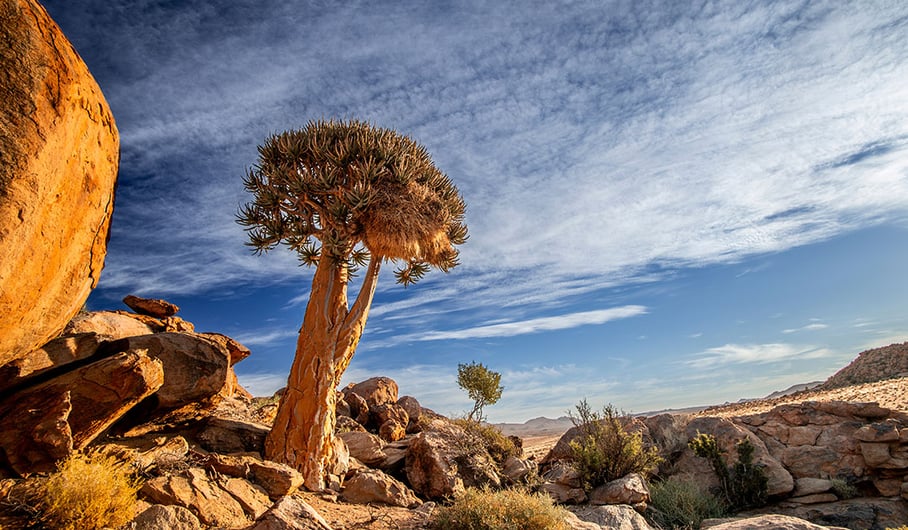
South Africa is globally recognised for its diverse ecosystems and landscapes, ranging from the arid deserts of the Kgalagadi to the lush forests of the Garden Route. At the heart of this natural wealth lies South African National Parks (SANParks), the public entity responsible for managing a system of parks that represent the indigenous fauna, flora, landscapes and associated cultural heritage of the country.
FAQs
- 1. How does sustainable tourism support the conservation of national parks?
- 2. What legal knowledge is required to manage hospitality operations in conservation areas?
- 3. Can I advance my career in tourism without leaving my job?
- 4. Why is corporate social responsibility (CSR) important in the tourism sector?
- 5. What are the key skills needed for leaders in the tourism and hospitality industry?
Read more
This article is part of a larger series on the tourism and hospitality industry. To read more about this topic, you can click on any of the following article links.
- The Art and Science of Tourism Hospitality Management Systems
- South African Tourism: Trends, Growth and Career Opportunities
- Tourism Grading Council of South Africa: Star Grading Explained
- SATSA and Tourism Standards | South Africa's Sustainable Tourism
- FEDHASA: South Africa's Hospitality Leadership and Association
- SANParks and Conservation Tourism: South Africa's Wildlife Tourism
- Hospitality Tech in South Africa | Digital Trends and Smart Hotels
- Hotel PMS: Features, Benefits and Best Practices
- Mews PMS: Features, Benefits and Hotel Management Software
- Cloudbeds Hotel PMS | Simplifying Operations with Cloud Technology
- Front Office & Hotel Operations | Guest Services and Best Practices
- Contactless Digital Check-In | Enhance Guest Experience
- Housekeeping and Room Management Systems for Hotel Operations
- Hotel Maintenance and Preventive Management Systems
- Building Management Systems and Smart Hotel Facility Management
- Hotel Energy Management and Smart Solutions
- Guest Journey Mapping: Improving the Hotel Experience
- Hotel CRM: Guide to Customer Relationship Management
- Medallia | Transforming Hospitality Through Customer Experience
- Qualtrics Hospitality | Experience Management for Hotels and Resorts
- Hotel Loyalty Programmes | Guest Retention and Hospitality Rewards
- AI Personalisation in Hospitality | Enhancing Guest Experience
- Service Recovery Models in Hospitality | Guest Satisfaction
- Ritz-Carlton Service Recovery: Excellence in Hospitality
- Service Profit Chain: Boosting Hospitality Loyalty and Growth
- Hospitality Employee Experience | Retention and Service Excellence
- Hospitality Training and Staff Development Solutions
- Hospitality Education Pathways | Courses and Career Guide
- Ubuntu Hospitality Philosophy: African Excellence in Guest Service
- Four Seasons Golden Rule | Personalised Service and Experiences
- GSTC Hotel Criteria: Sustainable Standards and Best Practices
- ISO 14001 Hospitality | Environmental Management for Hotels
- Fair Trade Tourism | Ethical and Sustainable Tourism Guide
- HCMI Carbon Measurement | Hotel Carbon Footprint
- Green Globe Certification: Hospitality and Tourism Standards
- Regenerative Tourism | Restoring Communities, Nature and Travel
- Circular Hospitality | Circular Economy in Hotels and Tourism
- Hotel Carbon Tax | Compliance and Costs
Established in 1926, the organisation has a mandate to protect and preserve biodiversity. However, the modern reality of conservation is complex. It is not sufficient to simply declare an area protected; one must ensure its long-term financial and ecological viability in a rapidly changing world. This is where the concept of "conservation tourism" comes into play. For those interested in the nexus of hospitality and environmental stewardship, understanding the operations of SANParks offers an in-depth look at how South Africa maintains its status as a premier global wildlife destination.
The Mandate of Conservation
The primary objective of SANParks is the conservation of South Africa’s biodiversity. This involves active land management, anti-poaching initiatives and scientific research. Yet, these efforts require substantial funding. Unlike many other countries where national parks are entirely state-funded, the South African model relies heavily on a commercialisation strategy to generate revenue.
This model essentially bridges the gap between state conservation and the tourism market. By providing world-class star-graded accommodation, wildlife viewing experiences and guided activities, SANParks generates the income necessary to fund its core conservation mandate. According to a white paper on biodiversity produced by the Department of Forestry, Fisheries and the Environment, the sustainable utilisation of natural resources is a cornerstone of the country's broader environmental policy, ensuring that the wildlife economy contributes to both national development and rural upliftment.
The Dynamics of Conservation Tourism
Conservation tourism is a model that uses the South African tourism sector to generate the funds required to protect natural areas, while simultaneously providing economic opportunities for local communities. It is a balancing act of immense proportions.
If tourism is managed poorly, it can degrade the very environments that attract visitors. Overcrowding, poor waste management, and the disruption of natural habitats can cause irreversible damage. If managed correctly, however, it becomes a powerful tool for environmental stewardship. Successful conservation tourism focuses on three main pillars:
- Ecological Integrity: Minimising the human footprint through sustainable infrastructure and management.
- Economic Viability: Generating sufficient revenue to fund conservation programmes, research and anti-poaching units.
- Social Responsibility: Ensuring that communities adjacent to national parks benefit through employment, supply chain inclusion and skills development.
According to guidelines set out by UN Tourism, sustainable tourism must make optimal use of environmental resources and maintain essential ecological processes. In the South African context, this often means that hospitality managers operating within or near these parks must be more than just service professionals; they must be environmental custodians.
The Need for Skilled Management
Managing a lodge or hospitality operation within a conservation area presents challenges rarely found in urban environments. A manager must understand not just the principles of yield management and customer service, but also the intricacies of environmental legislation, water usage in arid climates and the legal frameworks of land use.
As the industry evolves, there is an increasing demand for professionals who possess a dual capability: the ability to run a profitable, efficient hospitality operation and the knowledge to integrate that operation into a broader conservation strategy. This requires a shift in how hospitality education is approached. It is no longer sufficient to focus solely on the "front of house" experience; modern management requires a deeper dive into organisational behaviour, strategic financial management, and corporate social responsibility (CSR).
For those already working within the tourism sector, or those looking to transition into hospitality leadership roles, pursuing formalised, advanced education is one way to build these competencies. Tshwane University of Technology (TUT) offers several fully online qualifications designed for professionals who want to sharpen their expertise in this field.
- The Advanced Diploma in Hospitality Management: This programme is ideal for those focused on the operational technicalities of the industry. Modules such as Hospitality Industry Law are crucial for those working in protected areas, as they cover essential legal requirements like liquor law, food hygiene legislation, and occupational health and safety. Furthermore, Hospitality Financial Management IV provides the tools necessary to make decisions in a long-term investment context, which is vital for the survival of remote lodges and facilities.
- The Postgraduate Diploma in Hospitality Management: For those in mid-to-senior management, the focus shifts to strategy. This programme includes a module on the Environmental Impact of the Hospitality Industry, which directly addresses the "green revolution". It provides the skills to implement eco-friendly practices in maintenance, services, and logistics. Additionally, the Corporate Social Responsibility module equips students with the ability to manage the relationship between an organisation and its host community, ensuring that business activities contribute positively to local development.
- The Master of Tourism and Hospitality Leadership: Designed for senior leaders, this programme addresses the macro-challenges of the industry. Through elective modules such as Sustainable Tourism and Hospitality Leadership and Tourism Planning and Policy Development, students learn how to navigate the complex socio-political and environmental forces that impact the future of conservation tourism. The focus is on high-level decision-making, preparing graduates to shape the policy and strategic direction of organisations in both the public and private sectors.
The Future of South Africa's Wildlife Economy
South Africa’s conservation efforts are world-renowned, but they are not static. They require constant innovation to combat threats such as climate change and habitat fragmentation. The future of this industry relies on a new generation of leaders who understand that a thriving tourism industry is the bedrock upon which our biodiversity is protected.
By professionalising the management of these spaces, we ensure that South Africa remains a destination where both the guest experience and the health of the ecosystem are preserved. Whether one is involved in the day-to-day operations of a national park or steering the strategic direction of a private reserve, the integration of sound business principles and conservation ethics is the path forward.
FAQs
1. How does sustainable tourism support the conservation of national parks?
Sustainable tourism generates essential revenue from activities like gate fees and accommodation. This income is then reinvested into conservation efforts, such as anti-poaching patrols, scientific research and habitat restoration. By ensuring that tourism operations are eco-friendly, the industry minimises its ecological footprint to allow nature to thrive alongside human visitation.
2. What legal knowledge is required to manage hospitality operations in conservation areas?
Managing a facility within a conservation area requires a solid understanding of environmental and operational law. This includes compliance with occupational health and safety regulations, food hygiene standards and specific environmental legislation related to operating within protected zones. Programmes like the Advanced Diploma in Hospitality Management include modules such as Hospitality Industry Law to help managers navigate these complex regulatory landscapes.
3. Can I advance my career in tourism without leaving my job?
Yes. Many professionals choose to balance their careers with further education. TUT's online programmes are designed specifically for this purpose, providing a fully online, flexible format. This allows students to apply what they learn in their studies directly to their professional roles, bridging the gap between theory and practice in real-time.
4. Why is corporate social responsibility (CSR) important in the tourism sector?
In the context of conservation tourism, CSR is fundamental to maintaining a "social licence to operate". Hospitality organisations often function within or adjacent to rural communities. By integrating CSR, managers ensure that their business activities contribute to local socio-economic development. The Postgraduate Diploma in Hospitality Management includes a module on Corporate Social Responsibility that teaches students how to align business core activities with social engagement and environmental ethics.
5. What are the key skills needed for leaders in the tourism and hospitality industry?
Beyond traditional service excellence, modern leaders need a combination of strategic financial literacy, the ability to manage organisational behaviour and a deep understanding of sustainability. They must be adept at policy development and risk management, particularly in the face of environmental challenges. Advanced qualifications like the Master of Tourism and Hospitality Leadership focus on developing these high-level capabilities, empowering graduates to lead in a complex, globally connected environment.