0800 233 725 (toll-free)
 enquiries@online.tut.ac.za
%201.png?width=371&height=115&name=logo%20(1)%201.png)
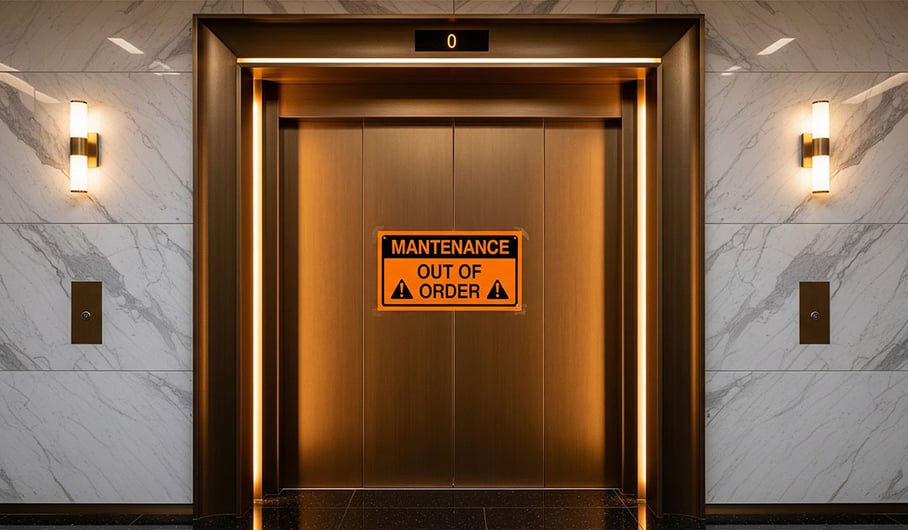
While guests mainly notice the décor, the cuisine and the quality of service, the operational integrity of the facility determines whether a stay is memorable for the right reasons or the wrong ones. For hoteliers in Africa, where infrastructure challenges often include power stability and water scarcity, maintaining operational efficiency is not just about convenience; it is a critical business imperative. This is where the implementation of sophisticated Hotel Maintenance Management Systems (HMMS) becomes transformative.
FAQs
- 1. What is the difference between preventive and reactive maintenance?
- 2. Can maintenance management be integrated into a wider business strategy?
- 3. Do these hospitality programmes cover the legal requirements for maintenance?
- 4. How do these programmes prepare me for the "green" shift in hospitality?
- 5. Are these programmes suitable for professionals already working in the industry?
Read more
This article is part of an ongoing series on the tourism and hospitality industry. To read more about this topic, you can click on any of the following article links.
- The Art and Science of Tourism & Hospitality Management Systems
- South African Tourism: Trends, Growth and Career Opportunities
- Tourism Grading Council of South Africa: Star Grading Explained
- SATSA and Responsible Tourism Standards
- FEDHASA and Hospitality Industry Leadership
- SANParks and Conservation Tourism
- Hospitality Technology in South Africa
Shifting from Reactive to Proactive Maintenance
Traditional maintenance models in hospitality have historically been reactive, fixing equipment only after it fails. This "run-to-failure" approach is costly, often leads to extended downtime and often results in negative guest experiences. In contrast, modern HMMS platforms facilitate a shift toward preventive and predictive maintenance.
By leveraging technology, management can schedule routine inspections and automate servicing for assets before they reach the point of breakdown. This transition is essential for sustainability. As noted by the World Tourism Organisation, sustainable tourism development requires the efficient management of natural and built resources. An effective HMMS contributes directly to this by reducing energy wastage through optimised heating, ventilation and air conditioning (HVAC) performance and minimising water leaks through early detection sensors.
The Strategic Value of Systems Integration
A robust maintenance system does not operate in a vacuum. It integrates seamlessly with the Property Management System (PMS), linking maintenance work orders directly to room inventory. If an air conditioning unit requires servicing, the HMMS can automatically flag that room as "out of order" in the booking system, preventing overbookings and guest frustration.
For hospitality leaders, the challenge is not just selecting the right software but understanding the strategic deployment of these assets. Professionals who are equipped to manage these systems understand that maintenance is a key pillar of facilities management.
At Tshwane University of Technology (TUT), the online hospitality and tourism programmes emphasise this strategic oversight. For example, the Facilities Management module in the Postgraduate Diploma in Hospitality Management specifically addresses the complexities of hospitality infrastructure. Students gain the skills to critically engage with the interventions and new trends required to manage buildings and services that contribute to guest comfort and operational longevity.
Managing the Human Element and Safety
Maintenance management is not just about the technical details, it requires planning and oversight. In a fast-paced environment, health and safety compliance is non-negotiable.
Hospitality leaders must ensure that maintenance protocols adhere to local regulations and international standards. This requires an in-depth understanding of the legislative frameworks governing hospitality environments.
- Strategic Planning: Managers must be able to design risk management structures that adapt to the dynamic nature of the industry. The Planning (Health and Safety) Food and Accommodation module found in the Master of Tourism and Hospitality Leadership programme prepares students to interpret current standards and develop new risk management structures, ensuring that safety is ingrained in the operational culture.
- Operational Control: The Advanced Diploma in Hospitality Management provides a foundational look at this through Hospitality Industry Law, which covers essential legislation such as occupational health and safety. This ensures that managers are legally and ethically prepared to oversee facility maintenance.
- Leadership and Behaviour: Beyond the hardware, maintenance management is about people. Managers must lead teams effectively to ensure that preventive measures are taken consistently. Programmes like the Postgraduate Diploma in Hospitality Management include Organisational Behaviour and Operations Management modules that teach professionals how to align staff behaviour with the business objectives of efficiency and service excellence.
Sustainability and Future-Proofing
The hospitality sector is increasingly focusing on sustainability. The need to reduce an operation’s environmental footprint is being driven by changes in both guest expectations as well as legal and regulatory requirements. HMMS platforms can provide valuable information to help with this as they allow for real-time tracking of utility consumption.
By monitoring energy and water usage, managers can identify anomalies that suggest equipment inefficiency. This focus is mirrored in the Environmental Impact of the Hospitality Industry module within the Postgraduate Diploma in Hospitality Management, where students engage with methods to reduce waste and save resources. The Master of Tourism and Hospitality Leadership programme offers a module in Sustainable Tourism and Hospitality Leadership, which empowers leaders to evaluate and implement steps to build capacity in creating sustainable hospitality environments.
As the industry continues to evolve, the integration of data-driven maintenance systems will separate leaders from laggards. Whether through the operational precision taught in the advanced diploma or the high-level strategic leadership developed in the masters programme, TUT’s online programmes provide the academic scaffolding necessary to navigate these technical and operational shifts.
FAQs
1. What is the difference between preventive and reactive maintenance?
Reactive maintenance, or the "run-to-failure" model, involves performing repairs only after an asset has broken down, which often leads to guest dissatisfaction and higher long-term costs. Preventive maintenance involves scheduled inspections and servicing to address potential issues before they cause disruption. Through the use of an HMMS to guide this process, hotels can extend the lifespan of their equipment.
2. Can maintenance management be integrated into a wider business strategy?
Yes, maintenance should always be included in the business’s wider strategic management. As explored in the Facilities Management module of the Postgraduate Diploma in Hospitality Management, effective facility upkeep directly impacts the guest experience, brand reputation and financial sustainability.
3. Do these hospitality programmes cover the legal requirements for maintenance?
Absolutely. Both the Advanced Diploma in Hospitality Management (through the Hospitality Industry Law module) and the Master of Tourism and Hospitality Leadership (through the Planning (Health and Safety) Food and Accommodation elective) emphasise the legal and occupational health and safety frameworks that govern the hospitality industry.
4. How do these programmes prepare me for the "green" shift in hospitality?
The online programmes at TUT incorporate modules specifically designed to address the environmental impact of the industry. The Postgraduate Diploma in Hospitality Management features an Environmental Impact of the Hospitality Industry module, while the Master of Tourism and Hospitality Leadership offers a module on Sustainable Tourism and Hospitality Leadership, both focusing on energy efficiency and waste reduction.
5. Are these programmes suitable for professionals already working in the industry?
Yes, all of TUT's online programmes are designed for working professionals. The online nature of these programmes allows for flexibility, enabling students to balance their career commitments with their studies. By applying the knowledge from each module directly to their current work environments, students can immediately implement improvements in their facilities and leadership practices.